More Products
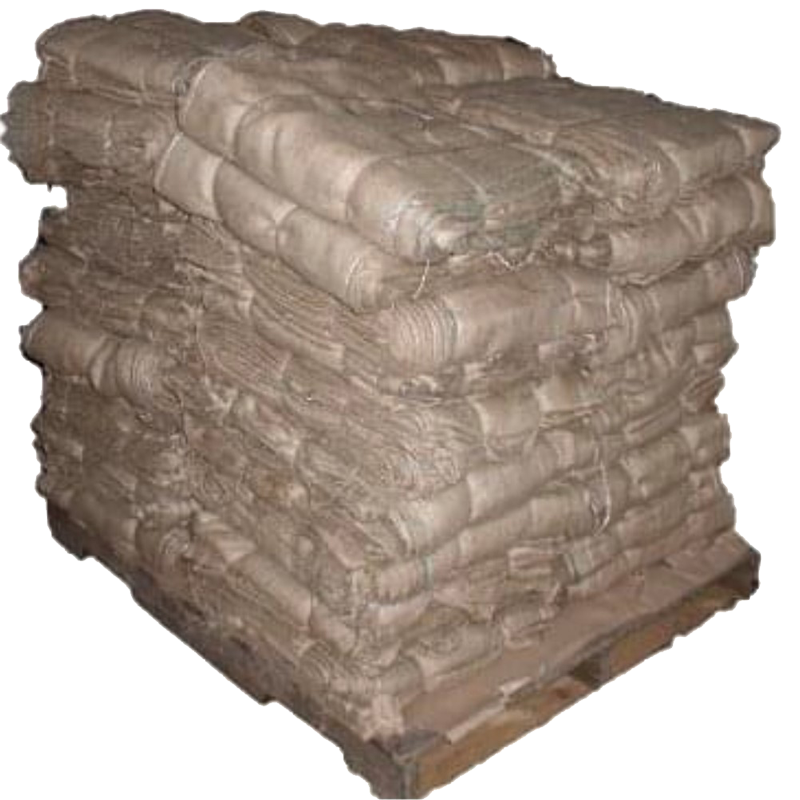
Burlap FilterMitt™ Shell
- Burlap shell is a biodegradable outer casing made from natural woven burlap that holds the compost-based filtration material inside the FilterMitt™. The porous fabric allows stormwater to pass through while trapping sediment, pollutants, and debris, helping to slow runoff and protect nearby soils and waterways. Inside the shell is a blend of compost and wood fiber that supports microbial activity capable of breaking down contaminants such as hydrocarbons and pesticides. Unlike synthetic erosion-control devices that use plastic netting, the burlap shell is fully organic and decomposes naturally over time, becoming part of the soil and improving soil health. Because it is biodegradable, locally produced, and requires no removal after installation, the FilterMitt™ system offers one of the lowest carbon footprints among erosion control devices while providing effective sediment control and stormwater filtration.
- Available to ship nationwide.
- For sizing, pricing, and availability, please contact us by filling out this contact form.
Engineered Soils
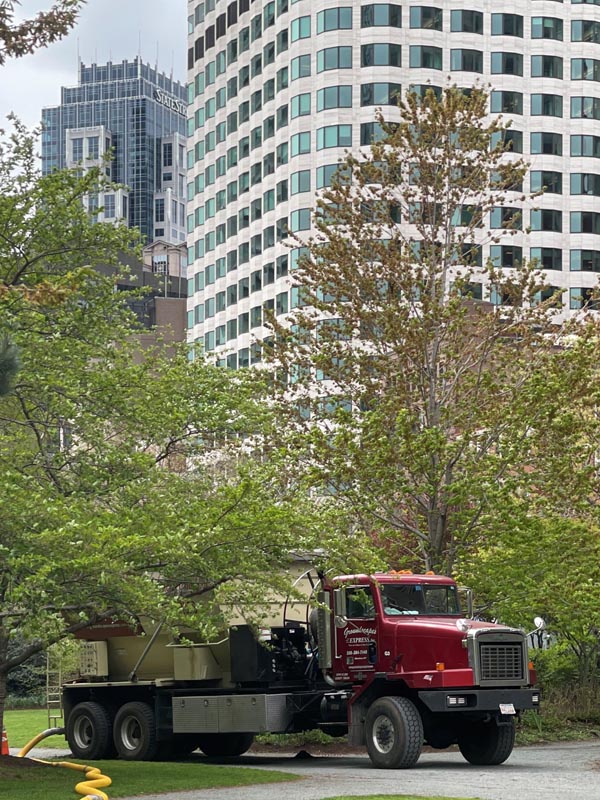
We construct custom-blended soils for a variety of specialized uses such as container media, rain gardens, vegetable gardens, and lawns and athletic fields. We can work from your specifications, or we can provide our own mixes.
Protective Fencing
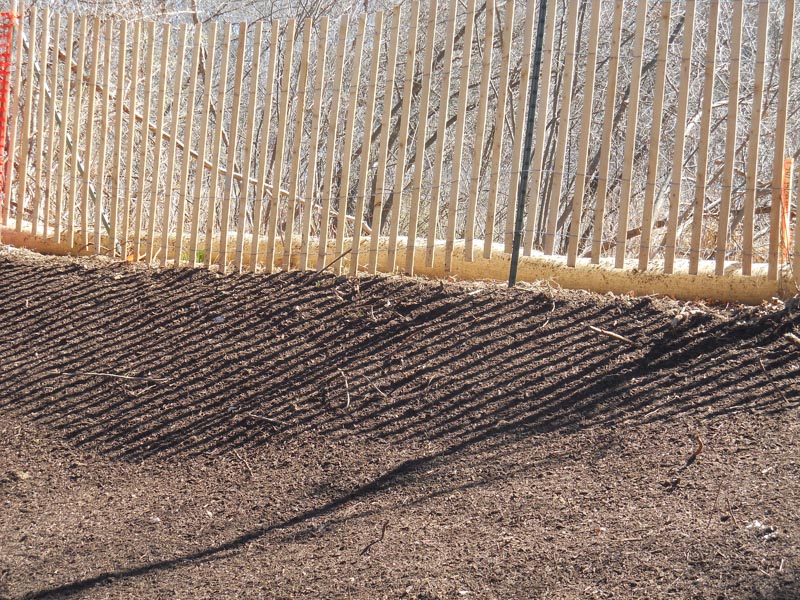
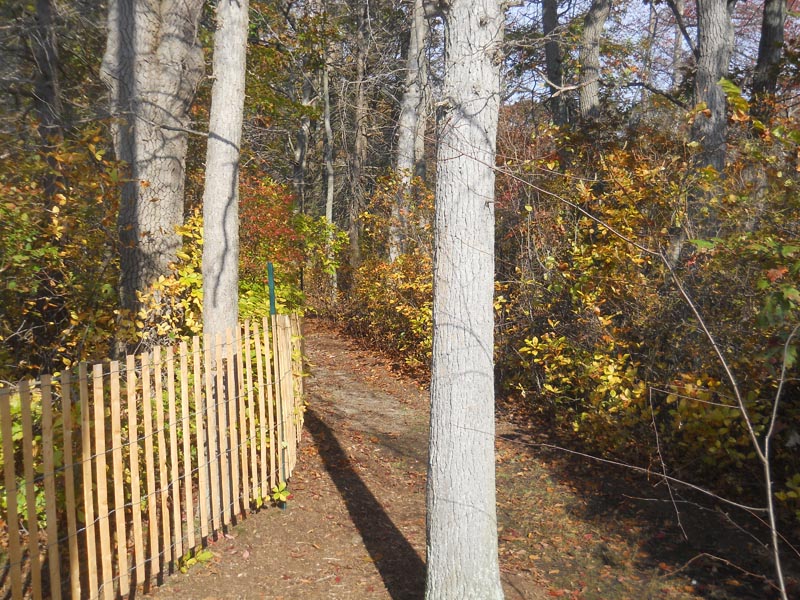
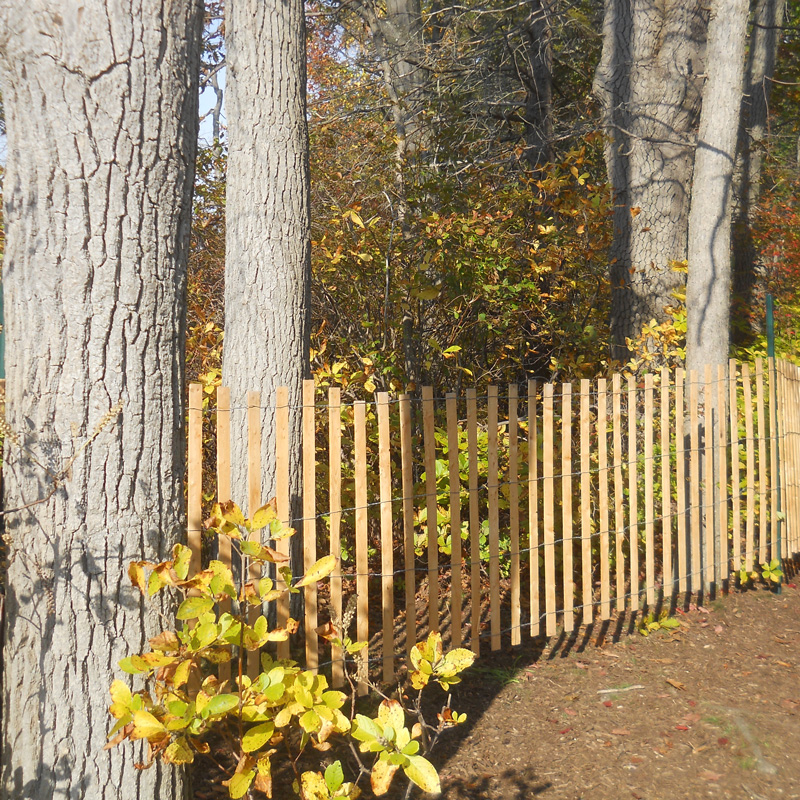
- Our flexible, portable fencing is used on sites to protect our FilterMitts™ from damage from vehicle traffic, to guide foot traffic away from sensitive areas under restoration, and anywhere else where an inexpensive, temporary solution is needed.
- Comprised of wood slats, wire, and metal T-posts, the fencing rolls up for storage and transportation, and can be installed relatively quickly with minimal effort on most sites. It is about four feet high, making it difficult to jump or step over. It can be adapted for installation on hardscape areas where posts cannot be driven into the ground.
Compost
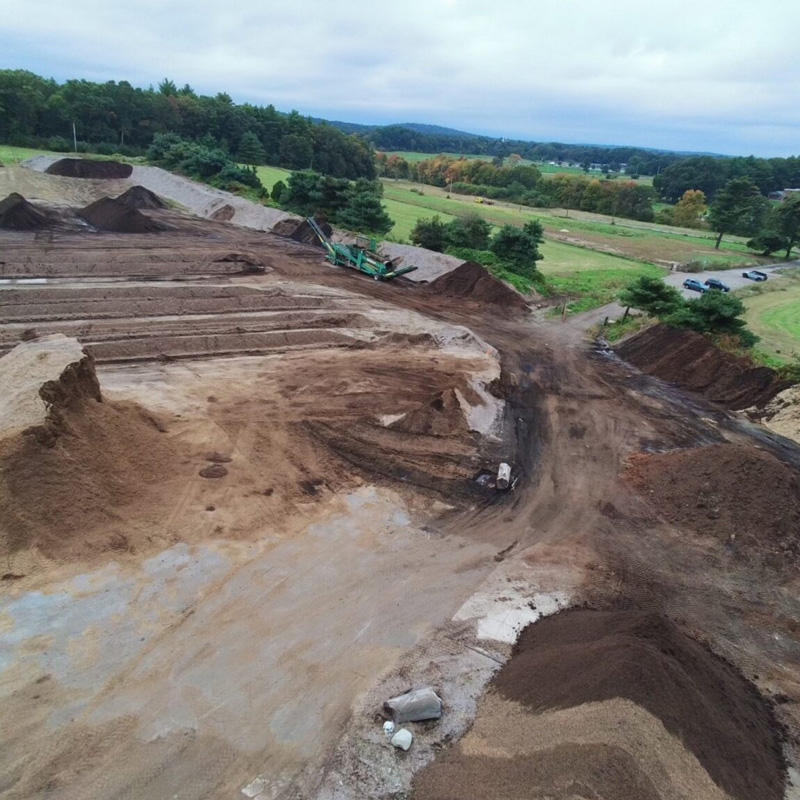
- Compost forms the foundation for many of Groundscapes’ applications. It provides numerous benefits in limiting erosion, improving soils, and as an aid in establishing vegetation.
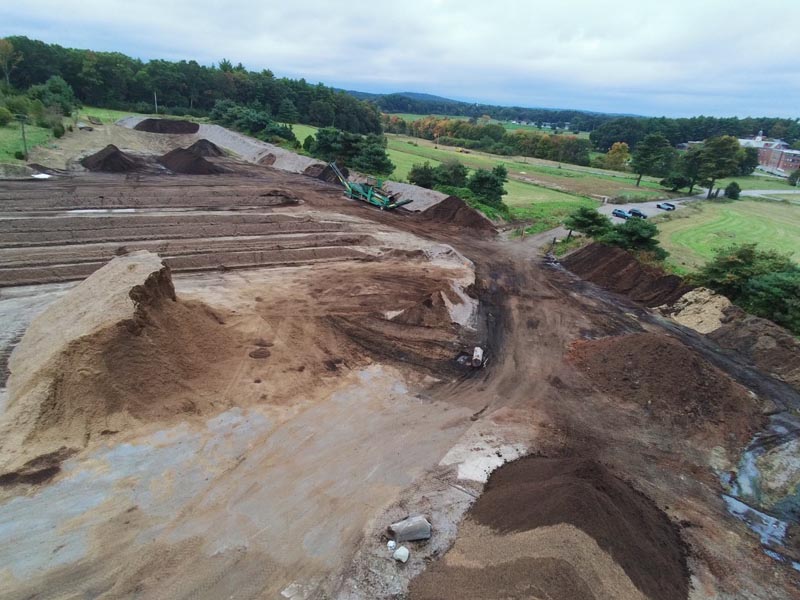
- We produce our own product in a commercial-scale facility. Having control over the process from feedstock to final product helps ensure a consistent, high-quality source of organic matter, available throughout the year.
- Feedstock includes vegetable-based food waste and yard waste such as leaves and chipped branches. With reliable sources for these materials, we are able to maintain a relatively consistent carbon-to-nitrogen ratio at the beginning of the process. This allows for a consistent management schedule and leads to a highly uniform, consistently high-quality finished product.
- Windrows are mixed and turned when temperatures inside the pile reach certain thresholds. The piles are managed so that all materials reach the temperatures needed to destroy weed seeds, propagules, and pathogens. Once temperatures drop and level off, the piles are allow to mature. The respiration rates are measured, and when these tests indicate the compost has stabilized, it is put into production.
- Compost is used either on its own in topdressing, for soil improvement, as a component of constructed soils, in EarthBlanket™ applications, or it is mixed with partially decomposed chipped wood to produce our FiberRootMulch™. We also sell compost to clients who are looking for a high-quality, biologically diverse product to use in producing aerated compost tea (ACT).
- Compost samples are periodically taken and sent to an independent lab to test for a range of parameters, including pH, moisture content, carbon-to-nitrogen content, among others. In addition to the physical and chemical characteristics, we also periodically have our composted tested for biological activity, and relative amounts of different kinds of microbes.
- Our compost is available for sale in small quantities for use in brewing compost tea, and in larger amounts for landscape use, if picked up at our production site. Contact us: 508-384-7140 for pricing and availability.
Coconut Coir Logs
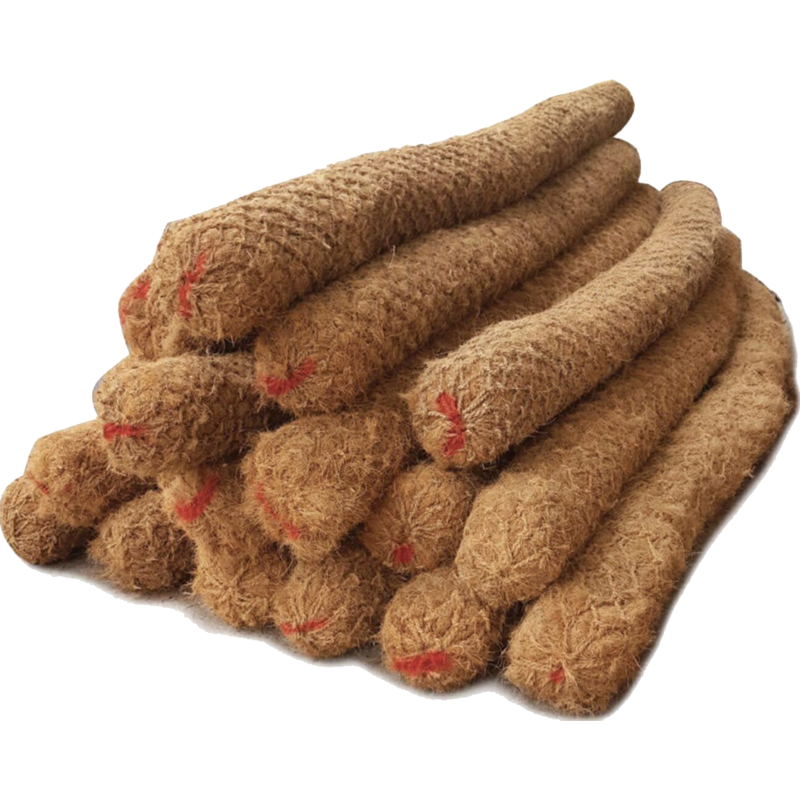
- Logs are made of long, coarse coconut fibers. As a natural product, they will eventually biodegrade, but they can remain functional on site for a number of years, depending on conditions. They are also relatively light in weight, and can be easily carried to where they are needed.
- Compared to compost devices, though, these fiber logs don’t offer as full a range of service function as our compost devices. Lacking compost, they don’t absorb and hold significant amounts of water, and they don’t hold and degrade hydrocarbon pollutants, so they are not a substitute for our compost/mulch-based devices.
Seed Mixes
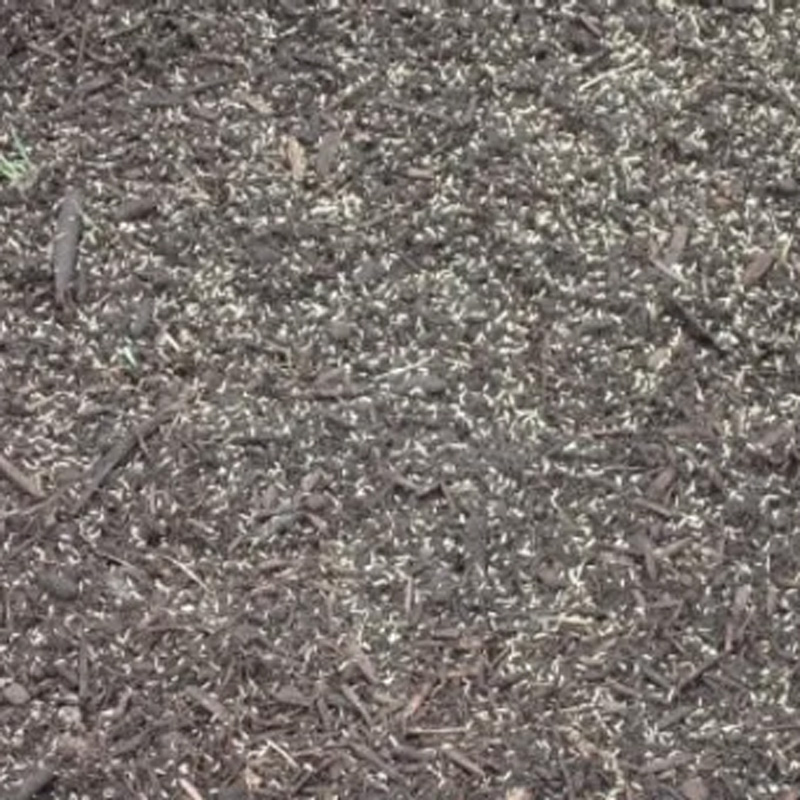
- Dense communities of native grasses and wildflowers can perform many useful functions in different landscape settings. They can help control stormwater runoff, stabilize slopes, protect soils, and provide important bird, pollinator, and wildlife habitat.
- One-size-fits-all, pre-packaged mixes are not suited for all sites, and sometimes contain exotic species that do not work well in diversified plantings. We can provide custom-designed mixes of grasses or grasses mixed with forbs (wildflowers) tailored to specific site conditions and even to variable conditions on a given site.